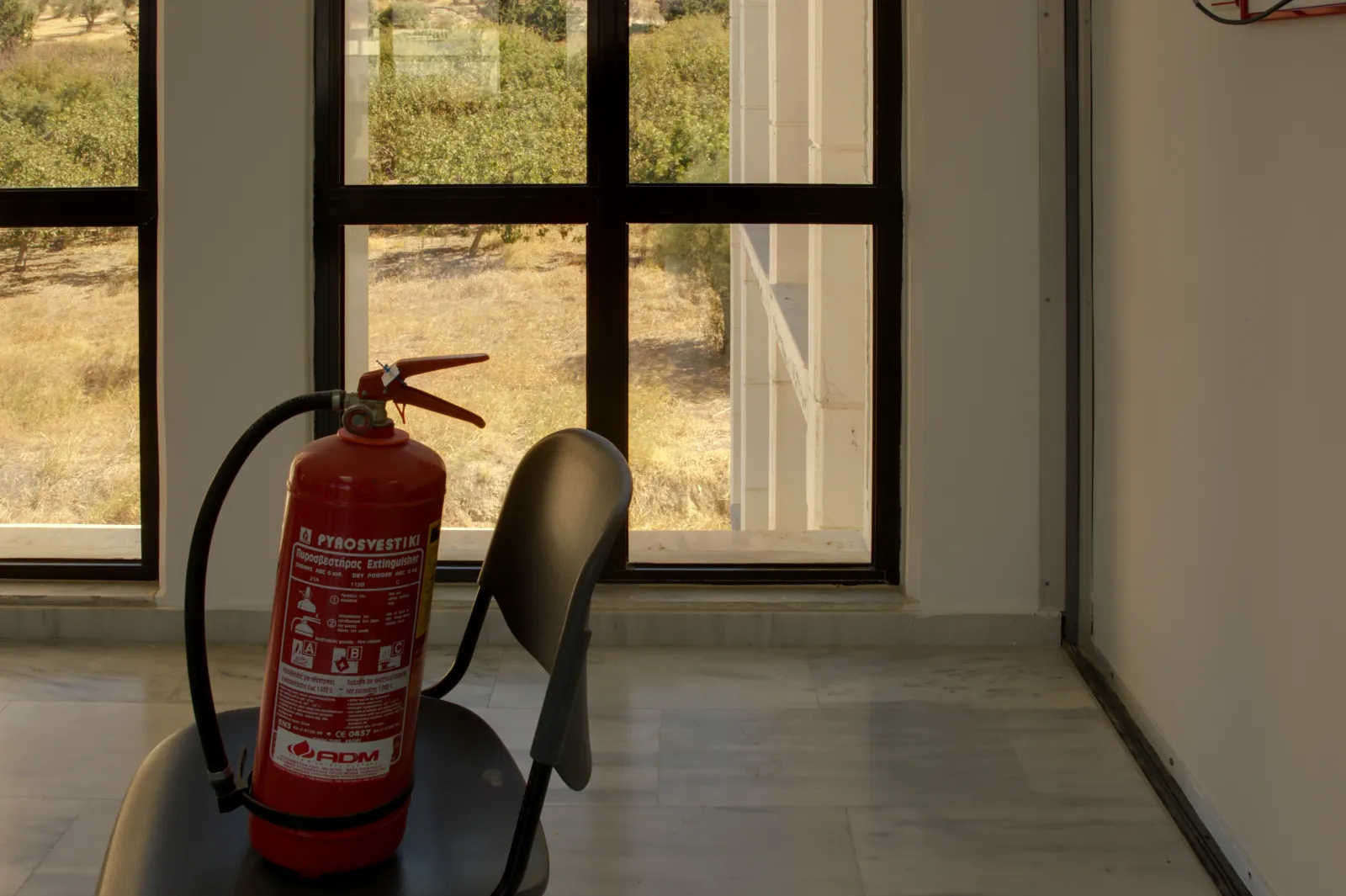
Verticals, measured on – edges
–
Seven exposures in. One true room out.
Lumen merges each room's brackets, takes the window from the dark frames and stands the walls up. OpenCV 5 only: nothing is painted in or out.
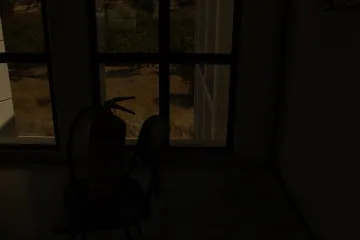 −3
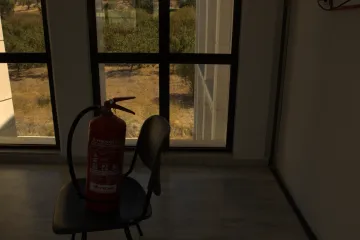 −1
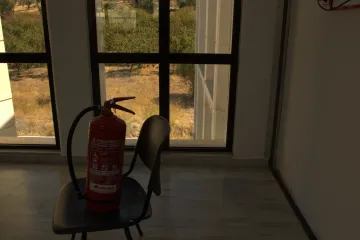 0
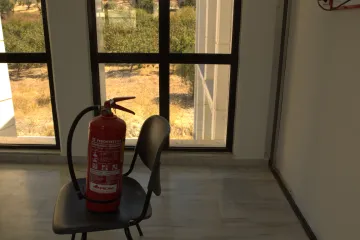 +1
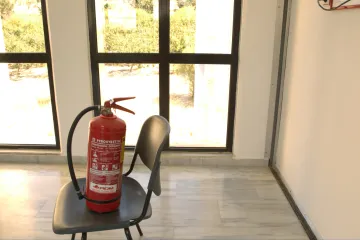 +3 EV
- Project
- Lumen, by theMnexus
- Sheet
- A-100, process photos
- Drawn by
- OpenCV 5.0, no generative model
- Checked by
- the agent, then you
- Runs on
- AWS Lambda arm64 + S3
- Issued
- –
Process your brackets
Download test brackets 44 MB of real Empa and Cambridge brackets, CC BY 4.0. For a Cambridge folder, turn on “All photos are one room”.
| Step | What OpenCV does | Evidence |
|---|---|---|
| Group | Splits the upload into rooms by capture time, exposure and scene match | Synthetic sets |
| Align | Warps every frame onto the middle one; the residual is measured per tile | Alignment error |
| Merge | Exposure fusion; anything that moved is taken from one frame only | Real motion |
| Window | Fills a blown window from the darker frames; refused if it adds edges no frame recorded | Real rooms |
| Lens | Fits barrel distortion k1 so long edges become straight | Limits |
| Tilt | Stands the verticals up from their vanishing point | Real rooms |
uploading
How the photos were grouped
Report
Real brackets from two public datasets, run through the same code as the live service, then the numbers. Every number was measured, and the script that measured it is in the repository's bench/ folder. Drag the cut line on any image to compare. The same brackets are in the test data pack (44 MB), so you can run them yourself.
Loading the report…
Your runs on this device
Jobs you processed in this browser. Kept only here, in local storage; nothing about them is sent anywhere.